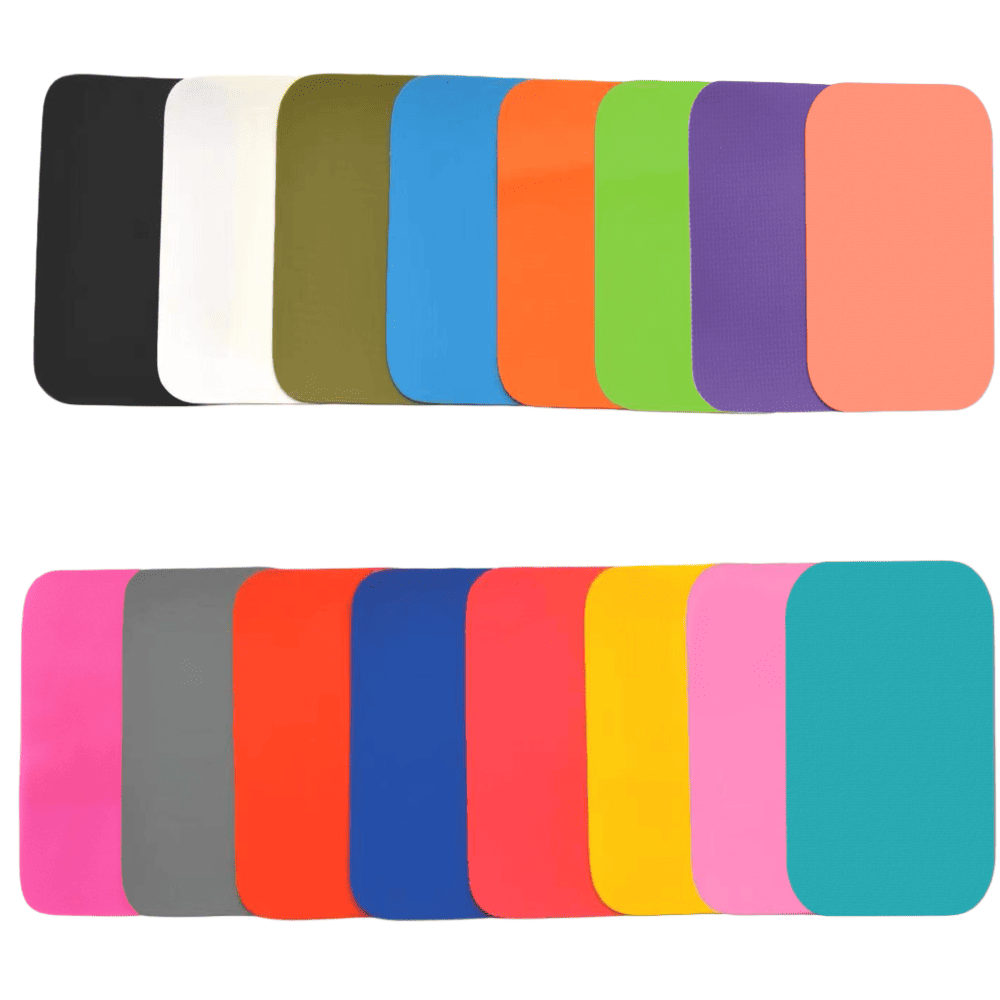
When developing waterproof bags for outdoor use, TPU and PVC are two of the most common material options. Both can be used for dry bags, waterproof backpacks, and other outdoor gear, but they are not exactly the same.
For outdoor brands, importers, and OEM buyers, choosing the right material depends on the product position, target market, usage scenario, and budget.
What Is PVC?
PVC is a widely used waterproof material in outdoor bags. It is durable, cost-effective, and suitable for many practical outdoor applications.
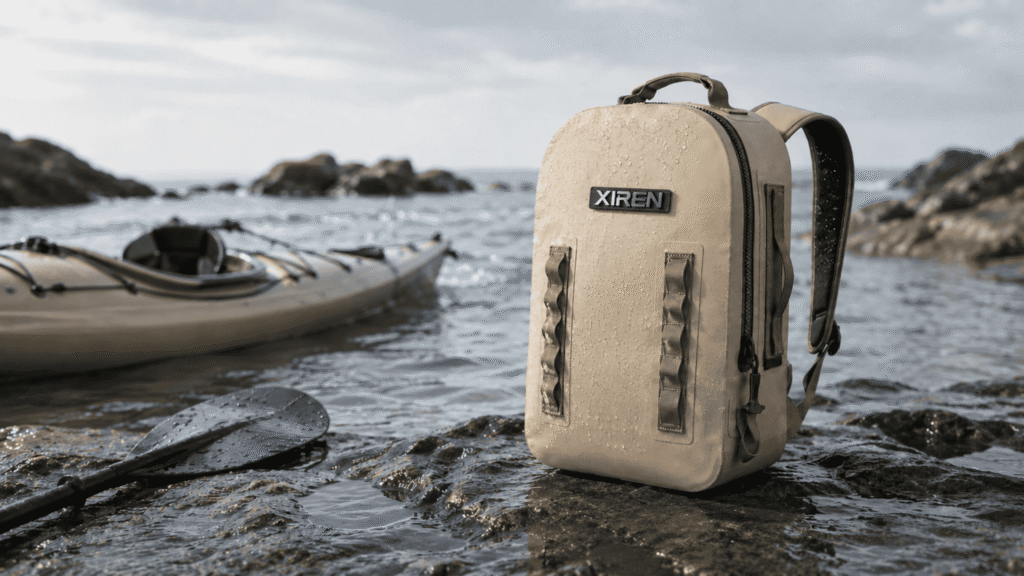
PVC waterproof bags are often used for kayaking, fishing, camping, beach trips, and marine activities. The material usually feels thicker and more rigid, which makes it a good choice for products that need strong protection and stable production cost.
For many OEM waterproof bag projects, PVC is still one of the most common material choices.
What Is TPU?
TPU is usually considered a more premium waterproof material. Compared with PVC, it is softer, more flexible, and has a smoother surface feel.
TPU is often used for lightweight waterproof bags, premium outdoor gear, travel products, and higher-end waterproof backpacks. It can also perform better in colder conditions where flexibility is important.
For brands that care more about appearance, hand feel, and product positioning, TPU can be a better option.
Waterproof Performance
Both PVC and TPU can offer good waterproof performance when the bag is properly made.
In real production, waterproof performance does not only depend on the material itself. Seam welding, roll-top closure design, fabric thickness, and accessory quality also matter.
For example, high-frequency welded seams are commonly used to improve water resistance and reduce leakage risk in waterproof bags.
Main Differences Between TPU and PVC
The main difference is product positioning.
PVC is usually selected for practical, durable, and cost-effective waterproof bags. It is suitable for many outdoor products where price and durability are both important.
TPU is often selected for premium waterproof bags. It provides a softer touch, cleaner appearance, and better flexibility.
Simply put, PVC is practical and strong, while TPU feels more premium and flexible.
Which Material Should Buyers Choose?
There is no single best material for every project.
If the product is designed for mass-market outdoor use, PVC may be more suitable because it offers a good balance between performance and cost.
If the product is positioned as a premium outdoor item, TPU may be a better choice because of its appearance, flexibility, and material feel.
For OEM and ODM projects, buyers should also consider logo printing, color matching, packaging, MOQ, and target retail price before choosing the material.
Conclusion
TPU and PVC are both widely used in waterproof bags. PVC is durable, practical, and cost-effective, while TPU is softer, more flexible, and often used for higher-end outdoor products.
The right choice depends on the product’s usage, market position, and budget. For custom waterproof bag projects, material selection should be decided based on the real outdoor application and brand requirements.